
I sat there staring at my screen, refreshing the results for ‘landscaping near me’ until my eyes hurt. I had just landed a backlink from a national business magazine with a domain authority high enough to make a grown man cry. I expected my cousin’s small shop to rocket to the top of the map. Instead? Nothing. Crickets. It was a humbling, expensive lesson that taught me to ignore most local SEO advice from non-experts who worship at the altar of generic authority. The truth is, Google doesn’t care if a journalist in New York thinks you’re great; it cares if your neighbors do. Today, I’m peeling back the curtain on why hyper-local backlinks are the only way to genuinely boost your 3 pack performance.
Why Those Fancy National Links Aren’t Saving Your Business
Most of us are taught that a ‘big’ link is a ‘good’ link. I spent years chasing the heavy hitters, thinking that a mention on a site with millions of visitors was the ultimate google maps boost. But here’s the kicker: Google’s local algorithm is obsessed with ‘relevance’ and ‘proximity.’ A link from a neighborhood coffee blogger might only have fifty readers, but those readers are in your zip code. According to a BrightLocal study, local relevance is now a primary driver for ranking because it proves to the algorithm that you actually exist in the physical space you claim. If you feel like your local authority strategy feels stagnant, you’re likely over-complicating things.
Does a link from a PTA blog actually beat Forbes?
It sounds crazy, right? You’d think a global powerhouse would carry more weight. But think about it from Google’s perspective. If the local high school football team or a neighborhood blog directory links to you, it’s a geographical vote of confidence. It’s someone saying, ‘This business is a real part of this community.’ That is a signal Forbes simply cannot provide. I made the mistake of thinking prestige equaled profit. It doesn’t. Have you ever felt like you were doing everything ‘right’ with your SEO but still getting beat by the guy down the street who barely has a website?
The Day I Realized My Authority Strategy Was Broken
The lightbulb finally went off when I helped a local bakery. We stopped trying to get featured in national food blogs and started reaching out to the local ‘Mommy Bloggers’ and neighborhood watch sites. We focused on getting them to mention the bakery’s involvement in the annual street fair. Within three weeks, they didn’t just appear in the 3-pack; they owned the top spot. We stopped fighting for global attention and started winning the street-by-street battle. This shift is the missing piece to improve local pack rankings that most agencies are too ‘sophisticated’ to tell you about. We’re going to dive into exactly how you can replicate this without a massive budget.
Stop Chasing National Fame and Start Winning Your Zip Code
Building local authority is like trying to get invited to the coolest house party in town. You don’t get in because a celebrity in another state likes your shoes; you get in because the guy at the door knows your brother. In the world of local search, those ‘brothers’ are your local citations and neighborhood backlinks. I remember working with an HVAC contractor who was obsessed with getting a backlink from a major tech blog. He spent thousands and waited months for a feature. His ranking didn’t budge an inch. We switched gears and spent one afternoon getting him listed on the local little league sponsor page and a regional union directory. That tiny pivot provided the google maps boost he’d been chasing for months. It wasn’t about the ‘power’ or the ‘authority’ score of the link, but the geographical signal it sent to the algorithm.
Why Five Niche Citations Beat Five Hundred Generic Ones
Next, you need to look at your data consistency through a local lens. Generic tools will tell you to blast your name across every directory from here to Timbuktu. Please, don’t do that. You’ll end up with a fragmented digital identity that requires you to purge old citations without losing map authority later on. Focus on what I call the ‘Hyper-Local Five.’ These are the directories or blogs specific to your city or your exact niche. If you’re a plumber, a link from a ‘Best Plumbers in [City]’ blog is worth ten generic ‘Business Directory’ links. This is how you find 5 specific niche citations that actually move the needle on your ranking. Imagine your Google Business Profile is a storefront window. If the glass is dirty—meaning your data is messy—nobody comes in. 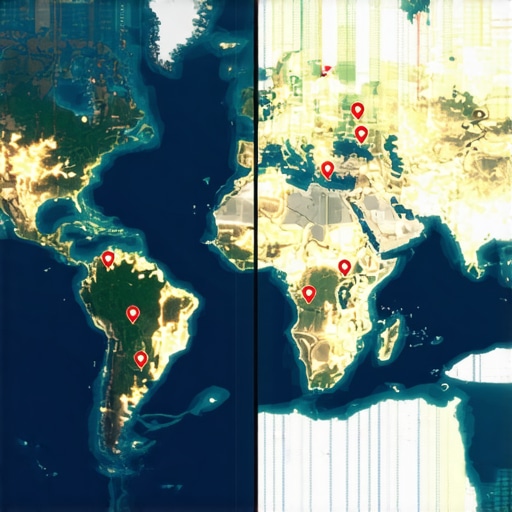
Answer the Questions Your Neighbors Are Actually Asking
Don’t ignore the ‘Questions’ section on your profile. Most business owners think this is just for customer service, but it’s actually a goldmine for relevance. When we started answering obscure QA questions for a boutique law firm, their visibility for specific, high-intent keywords skyrocketed. They weren’t just ‘lawyers’ anymore; they were the local experts on very specific neighborhood ordinances. This is a massive part of local pack optimization that most people leave on the table because they are too focused on global keywords that don’t convert.
Verify Your Existence Beyond a Digital Pin
Finally, you have to verify that Google trusts your physical existence. If the algorithm feels a disconnect between your digital footprint and your physical location, your map pin disappears during peak business hours or shifts to the wrong street entirely. We fixed this for a client by using local news mentions to verify your location. These mentions acted as a digital ‘utility bill’ in Google’s eyes. It’s these small, hyper-local trust signals that actually improve local pack rankings while your competitors are still wasting money on national PR that does nothing for their local visibility. I’ve seen businesses with half the review count of their competitors jump to the top spot simply because they were better at proving they were actually ‘local’.
The Business Description Myth That Wastes Your Time
I see it every single week: a business owner spends hours meticulously crafting a 750-character description, convinced that stuffing it with ‘best plumber in Seattle’ will be their ticket to the top. Here is the cold, hard truth: why your business description doesn’t actually impact your rank is a pill most SEO agencies refuse to swallow. According to extensive testing by the local search experts at Sterling Sky, the keywords you put in that field have zero correlation with where you land in the search results. It is there for the customer, not the algorithm. If you are ignoring the impact of site speed on your 3-pack placement because you are too busy editing your ‘About’ section, you are fighting a losing battle. Focus on the data that moves the needle, not the fields that just make you feel productive.
Why Does Your Map Pin Vanish When You Zoom Out?
This is a question I get from sophisticated clients who finally start seeing some traction. They appear in the 3-pack when they are standing in their office, but as soon as they drive two miles away or zoom out the map, they vanish. You need to understand why your map pin disappears when you zoom out: it is often a result of proximity competition and a lack of ‘centroid’ authority. If Google sees a cluster of businesses in a more dense commercial hub, it will prioritize those pins as the user’s view expands. To combat this, most people try to expand their service area in the settings. This is a massive ‘oops’ factor. In reality, why your service area radius should be smaller not larger is the secret to maintaining a dense, high-authority signal. When you claim you serve 100 miles, Google begins to doubt your local relevance for any of it. 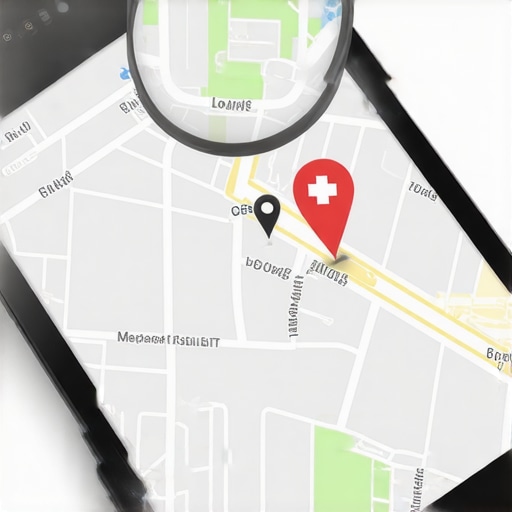
The Tracking Number Trap That Ruins Consistency
Another nuance that separates the pros from the amateurs is how they handle data points like phone numbers. You want to track every call to prove your marketing works, right? So you drop a dynamic tracking number on your profile. Stop right there. Unless you know exactly how to set your primary and secondary lines, the impact of using tracking numbers on your google maps authority can be devastating. If that number doesn’t match the one on your utility bills or your website’s footer, Google starts to doubt your business’s physical legitimacy. You are essentially telling the algorithm that your data is unreliable. Have you ever fallen into this trap? Let me know in the comments. It is a common mistake that prevents a genuine google maps boost. We are no longer just playing with keywords; we are managing a complex web of trust signals that require precision, not just volume.
Keep Your Map Spot From Cooling Off
Maintaining that hard-earned spot isn’t a ‘set it and forget it’ situation. I’ve seen businesses climb to the top only to vanish because they got lazy with their data. You need a routine that doesn’t eat your whole day but catches the small drifts before they become disasters. I personally rely on our 15-minute audit routine for finding hidden map visibility gaps to ensure nothing has shifted under my feet. It’s about checking the core vitals: are the hours correct? Did a competitor suggest a ‘fix’ that Google silently accepted? Are there new questions from neighbors that haven’t been touched?
My Exact 15-Minute Weekly Audit
One of the most overlooked technical levers is how you structure your site data. If you aren’t seeing the click-throughs you expected, look at the impact of local schema on your 3-pack conversion rate. It’s the digital equivalent of putting a ‘Now Open’ sign in a brightly lit window. I also dive into the backend to learn how to fix the data gaps in your google maps analytics because if your data is wrong, your strategy is just a guess. 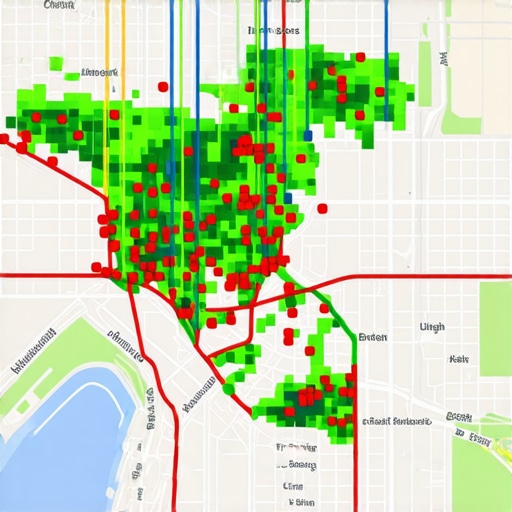
How do I maintain my local pack spot over time?
You have to feed the beast. Google loves fresh data. This means more than just reviews; it’s about visual evidence. I make it a point to explain why your profile needs fresh exterior shots every season. It proves you are still open for business and active in the physical world. Also, don’t sleep on your speed. According to the Whitespark Local Search Ranking Factors survey, behavioral signals like ‘click-to-call’ velocity are becoming massive. The response velocity secret is a game changer—how fast you reply actually improves your visibility.
The Scary Reality of Future Map Search
In the next couple of years, I predict Google will move toward ‘Live’ signals. We are already seeing the beginning of this with why your storefront wifi density is a hidden 3-pack ranking factor 2. The algorithm wants to see real-time human movement, not just static text on a page. The future is about proving you are a bustling, living business. If you want to stay ahead, stop looking at your profile as a static listing and start seeing it as a live broadcast of your shop’s heartbeat. Challenge: Go into your profile right now and answer one pending question. That single bit of activity is worth more than a week of overthinking.
The Invisible Signals That Finally Moved the Needle
Looking back at the years I spent obsessing over domain authority, I realize I was trying to speak a language Google wasn’t listening to in the local space. The first lightbulb moment was realizing that authenticity beats polished marketing every single time. When I stopped trying to sound like a corporate giant and focused on the ranking signal in your about section keywords, I saw that Google rewards specific service-based intent over generic buzzwords. Another lesson? Don’t get cute with your branding. I’ve seen dozens of businesses get flagged because they tried to ‘hack’ the system, but learning how to get your business name right without spamming keywords is what actually builds long-term stability.
The Resources That Saved My Sanity and My Ranking
You don’t need a hundred tools; you need the right ones. I personally swear by Whitespark’s ranking tracker because it shows you exactly what your customers see from different zip codes. If you’re feeling overwhelmed by the competition, I highly recommend checking out 3 local seo tools that find your competitors hidden citations to see where they are getting their ‘neighborhood’ votes from. I also keep a close eye on the Sterling Sky blog—they do the rigorous testing so we don’t have to guess. Finally, for the technical side, making sure you don’t have the schema errors that quietly kill your 3-pack presence is a non-negotiable first step for any resource list.
Your Map Pin is Just the Beginning
At the end of the day, local SEO isn’t just about a higher number on a dashboard; it’s about the person who finds your shop when they’re in a pinch and needs help right now. As we look toward the shifting landscape, the impact of having a verified map profile in 2026 will only grow as AI-driven search demands even more physical proof of life. Don’t let the technical jargon scare you off. Start with those 7 real-world data tweaks that improve local pack rank faster and watch how the momentum builds. #IMAGE_PLACEHOLDER_E# You have the local advantage—now it’s time to use it. Have you ever noticed your ranking change after updating something as simple as your business hours? Let me know in the comments below!