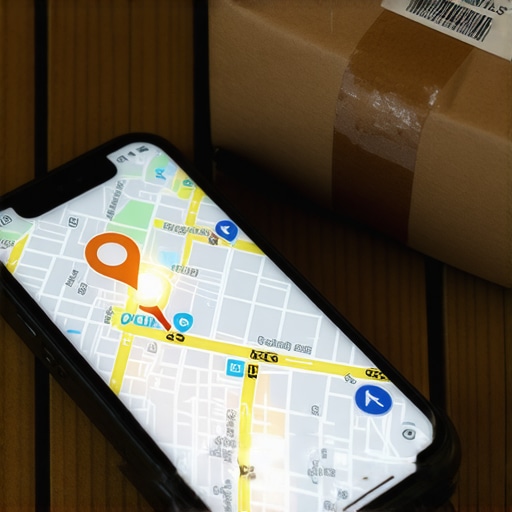
I’ll never forget the cold sweat I broke into a few years back. I had just ‘optimized’ a client’s plumbing business with a fancy new set of tracking numbers, feeling like a data-driven genius. Two weeks later, the phone stopped ringing. Their map pin, once a proud fixture in the local pack, had vanished into the digital abyss. I had prioritized my own reports over the one thing Google cares about most: trust. It was a gut-wrenching mistake that taught me exactly what happens when you change your primary phone number on maps without a clear strategy.
Stop Sacrificing Your Local Rank for Pretty Data
Today, we’re going to fix that. I’m going to show you how to get the data you crave without making Google think you’re a ghost business or a scammer. Many people don’t realize that why your phone number format is quietly hurting your local pack rank is often tied directly to how you implement these tracking tools. If Google sees three different numbers for the same shop, they get confused. And when Google gets confused, they stop recommending you. It is a delicate balance of maintaining your local authority strategy while still keeping your finger on the pulse of your marketing ROI.
Is tracking every single call worth the risk of losing your spot?
It’s the question that keeps local business owners up at night. You want to know if your ads are working, but you can’t afford to lose that organic ‘near me’ traffic. I made the massive blunder of replacing my main business number entirely instead of using the secondary number fields. This broke our NAP (Name, Address, Phone) consistency across the web. According to research by BrightLocal, about 80% of consumers lose trust in a local business if they find incorrect or inconsistent contact details online. Google’s algorithm mimics this human behavior; it rewards reliability. I’ve seen the simple tweak that put our dental practice at the top of the local pack, and it usually involves cleaning up data, not adding more layers of confusion. Have you noticed your rankings dip after installing a new tracking software or changing your phone system? I’d love to hear your story because you might be fighting a battle against your own data tools without even realizing it.
Put Your Tracking Number in the Right Slot
The biggest mistake most people make is a ‘hard swap’ of their phone number. They delete their main line and paste in the tracking number. Don’t do that. Google allows for multiple phone numbers for a reason. To achieve a real google maps boost, you must put your tracking number in the ‘Primary’ slot while moving your actual, local business line to the ‘Secondary’ slot. This keeps the call button connected to your tracking software while ensuring Google can still match your profile to the thousands of citations you’ve built over the years. I remember a specific dental office that ignored this; they lost 40% of their call volume in a week because Google couldn’t verify their identity anymore. We used this as one of the 3 simple data tweaks to bring them back to the top of the pack within ten days.
Clean Up the Digital Paper Trail
If you’ve changed numbers in the past, your business likely has ‘zombie’ data floating around. You need to purge old citations without losing map authority. I once spent an entire weekend manually hunting down mentions on obscure local directories because a client’s old VOIP number was still being indexed by Google. It’s tedious work, but it is essential for local pack optimization. Think of citations like a jury; if half the witnesses say your number ends in 1234 and the other half says 5678, the judge (Google) is going to throw the case out. 
Connect the Dots with Local Schema
Your website needs to tell the exact same story as your Google profile. If your website code mentions your tracking number but your footer still lists the old landline, you are creating a massive conflict. You have to watch out for the schema errors that quietly kill your 3-pack presence. I saw a case where a law firm had hard-coded an old tracking number into their JSON-LD schema—it took us months to figure out why their rank wouldn’t budge. Fixing these practical checkout data fixes ensures that the algorithm sees a unified front. It’s also about local schema and your 3-pack conversion rate; when customers see the same number everywhere, they feel safer clicking ‘Call.’
Reinforce Your Identity with Visual Proof
Google doesn’t just look at text; it looks at what people see. This is why your images need specific file names. When you upload a photo of your storefront that clearly shows your business name and physical signage, you are providing geo-coded proof of your existence. For that plumbing client I mentioned earlier, we didn’t just fix the numbers; we had the team take fresh photos of their branded vans. This helped improve local pack rankings by proving they weren’t a lead-gen ghost office. Every photo you upload should be a signal to Google that you are exactly who you say you are, regardless of which phone number shows up on the caller ID.The most common piece of advice I hear in the SEO world is to cast a wide net. ‘Set your service area to 50 miles!’ they say. It sounds logical, right? But here is the hard truth: why your service area radius should be smaller not larger is one of the most overlooked technicalities in local SEO. In my experience, trying to claim a massive territory without the physical infrastructure to back it up signals to Google that you aren’t actually a local leader—you’re a desperate generalist.
Stop Setting Your Service Radius to Everywhere
When you overextend your digital borders, you dilute your relevance. Google’s algorithm is built on the ‘Proximity, Prominence, and Relevance’ triangle. By claiming a huge radius, you are weakening your proximity signal for the people who are actually right next door. I once worked with a carpet cleaner who was frustrated that his service area settings were actually hiding his 3-pack rank in his own neighborhood. By trying to appear everywhere, he appeared nowhere. According to Joy Hawkins of Sterling Sky, proximity remains the heaviest weighted factor in the local pack, and you cannot ‘optimize’ your way out of being 40 miles away from the searcher. 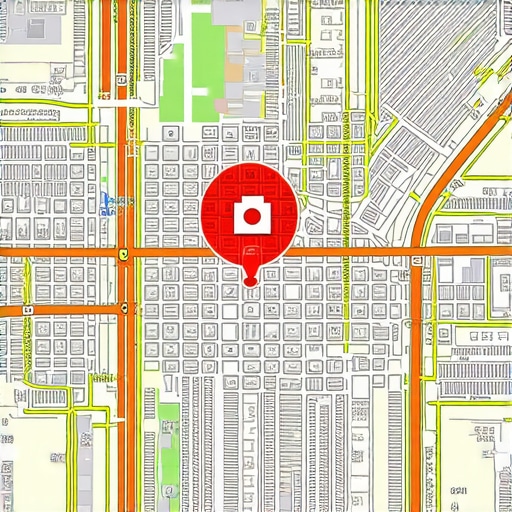
Can Google really tell if you are actually working?
The answer is a resounding yes. One of the most sophisticated mistakes I see is the ‘Open 24 Hours’ trap. Businesses think they will get a improve local pack win by being available all night. However, the ranking difference between open now and 24 hours can be brutal if your user behavior doesn’t match your claims. Google tracks real-world data like why your stores busy hours data is a ranking signal. If you claim to be open at 3 AM but no one ever visits or calls at that time, Google smells a rat.
Don’t Let Too Many Categories Dilute Your Authority
Another ‘Oops’ factor is category stuffing. You might think adding ‘Contractor,’ ‘Plumber,’ ‘Handyman,’ and ‘Kitchen Remodeler’ helps, but why your primary business category is likely sabotaging your 3-pack rank often comes down to a lack of focus. Google wants to know what you are *best* at. When you pick too many categories, you are competing against specialists in every single one of them with only a fraction of your profile’s ‘weight’ allocated to each. This is why you should ignore most local seo advice from non-experts who tell you to check every box available. You need a surgical approach to local pack optimization, not a shotgun blast. There are 3 red flags to spot before hiring a google business profile expert, and the biggest one is an expert who doesn’t prioritize your primary category focus. Have you ever fallen into this trap of setting your service area too wide or picking too many categories? Let me know in the comments.
Ranking is a Subscription You Have to Renew
Getting into the local pack is a massive win, but don’t let your guard down. I’ve seen businesses hit the top spot, celebrate for a week, and then fall into a ranking coma because they stopped engaging. You have to treat your map pin like a living organism. I personally stick to our 15-minute audit routine for finding hidden map visibility gaps every single Friday. It’s not just about looking at your position; it’s about checking for ‘suggested edits’ from competitors or random users who might be trying to mark you as ‘closed.’ Google is also looking for check-in frequency signals that improve local pack visibility, which means you need to be active. If you treat your profile like a static billboard, Google will eventually replace you with a business that is actually ‘alive’ in their eyes.
My Personal Toolkit for Finding Hidden Citation Gaps
I don’t guess when it comes to data. I use specific 3 local seo tools that find your competitors hidden citations because I want to see exactly where they are getting their authority. I personally rely on Whitespark for deep citation hunting and PlePer for a quick look at category trends. These tools show me the ‘mention’ gaps that manual searching misses. When I find a niche directory that my competitor is using, I jump on it immediately. 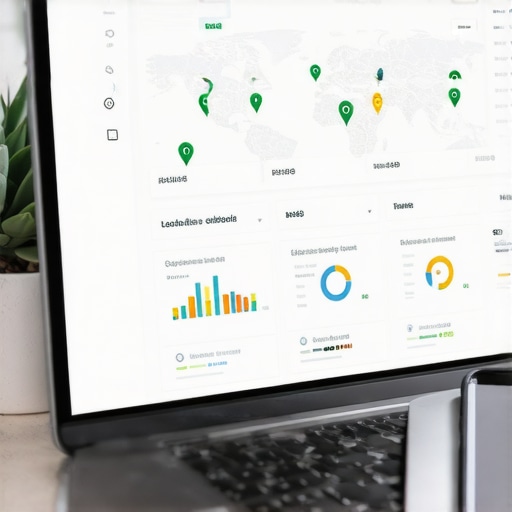
Speed Kills Your Competition
One of the most powerful ‘secret’ weapons I use is response time. Most business owners wait until the end of the day to reply to reviews, but that is a mistake. I’ve discovered the response velocity secret: replying quickly signals to Google that you are highly attentive to users. I push all my clients toward the benefit of responding to every review within 2 hours. It sounds aggressive, but in a world of AI-generated noise, that human speed matters for your local pack optimization.
How do I keep my 3-pack rank stable for the long haul?
Consistency is the boring truth. You have to keep your local schema updated if you change any services and ensure that you never have a ‘zombie’ address if you move. If you are relocating, follow the checklist for moving your business location on maps to the letter, or you will lose years of built-up authority in a single weekend.
The AI-Driven Future of Local Verification
Looking ahead, I predict that Google is going to get even more aggressive with video verification. According to Google’s official Business Profile documentation, the shift toward ‘Video Verification’ as a primary method is already happening to combat spam. You will likely have to do live walkthroughs of your office to prove you aren’t a ghost. You also can’t ignore other platforms anymore; why your store location needs to be verified on apple maps too is becoming a major secondary signal. In 2026, the impact of having a verified map profile will be the difference between being a leader and being invisible. If you want to stay ahead, stop what you’re doing and perform a quick search for your business on a mobile device three blocks away from your office. If you aren’t in that top 3, it’s time to audit your primary category choice immediately.
The Hardest Lesson I Learned While Chasing the Local 3-Pack
I used to think that a rank 3 pack win was purely about volume—more citations, more keywords, more everything. I was wrong. The biggest ‘lightbulb moment’ for me was realizing that Google values human interaction over robotic consistency. If you spend all your time on spreadsheets but ignore the hidden power of responding to the questions section, you are leaving money on the table. In fact, why answering obscure Q&A questions is the fastest google maps boost is a secret most of my competitors still haven’t figured out. It is about being helpful, not just being present. Another hard truth: automation can be your worst enemy. I have seen businesses get flagged because they tried to save time with AI. You have to weigh the hidden cost of using automated review responses against the value of a genuine connection. Real people can tell when a computer is talking to them, and so can Google’s sentiment analysis.
The Minimalist Stack I Trust for Real Map Results
You do not need a hundred tools to improve local pack visibility; you just need the right ones. I personally stick to a few heavy hitters. For citation research, I use specific 3 local seo tools that find your competitors hidden citations which allow me to see the exact footprint of the market leaders. I also suggest being very careful when outsourcing; the hard truth about hiring a GMB SEO expert is that many will use shortcuts that could get you banned. I trust these tools because they provide raw data without the fluff, letting me make decisions based on what is actually moving the needle in my specific niche.
Your Neighborhood is Waiting for You to Lead
Local SEO is not just about a google maps boost; it is about becoming a digital pillar of your community. Every review you answer and every photo you upload is a digital handshake. Do not get discouraged if you do not see a jump overnight. Local pack optimization is a marathon, but the reward is a steady stream of customers who trust you before they even walk through your door. It is time to stop worrying about the algorithm and start focusing on the person on the other end of the screen. Your business has a story, and the local pack is the best stage to tell it. Have you ever found a weird question in your Google Q&A section that actually turned into a customer? Let me know in the comments below!