
I sat there at my desk, cold coffee in hand, wondering why a client of mine—a fantastic local roofer—wasn’t even showing up for his own name in the 3-pack. We had better reviews than the competition, but why your competitor ranks higher with fewer reviews isn’t always about the stars. It was driving me crazy. I realized I had fallen into the classic trap of trying to be everything to everyone. I had set his primary category to something broad, thinking it would cast a wider net. I was dead wrong. That single dropdown choice was acting like a cloaking device for his business. If you’ve ever felt like your local authority strategy feels stagnant, you might be suffering from the same self-inflicted wound. [image-placeholder]
The Invisible Wall Between You and the Local Pack
Most of us treat the primary category like a quick “set it and forget it” task during setup. I know I did back in the day. I figured as long as I was “close enough,” Google would figure it out. But the algorithm isn’t a mind reader; it’s a giant sorting machine. When you pick the wrong primary category, you’re basically telling the machine to put your “Plumbing” business in the “Kitchen Remodeling” box. You might get some views, but you’ll never improve local pack visibility for the jobs that actually pay the bills. I see business owners make this mistake constantly, often because they listen to misleading local SEO advice. They want to rank for everything, so they pick the most generic category possible. It’s a recipe for disaster. When I first started out, I thought more was always better. I’d cram five or six secondary categories into every profile, thinking I was being clever. I was actually diluting the thematic relevance of the profile. Google didn’t know what the primary focus was, so it didn’t rank the business for anything particularly well. It’s a hard lesson to learn when you’re trying to boost 3 pack rankings for a client who’s paying you their hard-earned money.
Can one tiny dropdown menu really ruin everything?
You might be skeptical. You’ve got great photos, a fast website, and you’ve spent weeks on citation cleanup. Surely Google can see past one little label? Unfortunately, the data says otherwise. According to the team at Whitespark, the primary category is consistently ranked as the #1 local search ranking factor. If that foundation is cracked, the whole house is going to tilt. I’ve seen businesses jump five spots in the 3-pack just by switching from a broad category to a specific one that matched their primary service. Have you noticed your ranking drop after trying to “expand” your categories? I’d love to hear your story—send me a message and let’s figure out if your category is working for you or against you. A study by BrightLocal found that nearly 40% of local businesses have at least one error in their category selection, which directly correlates to lower map placement.Stop guessing and start auditing. You need to look at what the 3-pack leaders are actually using. Google hides the secondary categories in the front-end view, but the information is there if you know where to look. I once worked with a boutique gym that was struggling to gain any traction. They had set ‘Gym’ as their primary category, which seems logical, right? But the local winners were all using ‘Fitness Center.’ We made the swap, and within 48 hours, they weren’t just on the map; they were sitting in the top two spots for their most profitable keywords. This simple shift is part of the 7 real-world data tweaks that improve local pack rank faster than waiting for a slow trickle of new reviews.
Stop Hiding Behind Generic Labels
Think of your primary category as the ‘Department’ in a massive grocery store. If you are selling artisan sourdough, you don’t want to be labeled under ‘General Merchandise.’ You want the ‘Bakery’ tag. If you are a lawyer specializing in car accidents, do not just pick ‘Law Firm.’ You must go for ‘Personal Injury Attorney.’ When you get hyper-specific, you activate the ranking boost from using specific service attributes that Google reserves for specialized experts rather than generalists. This specificity tells the algorithm exactly which ‘box’ you belong in, reducing the friction for your google maps boost goals.
Make Your Website Match Your Map Profile
Google looks for a consistent story across the web. If your map profile says you are an ‘HVAC Contractor’ but your homepage title tag says ‘Best Home Repairs in Phoenix,’ the algorithm starts to doubt your authority. This is where the connection between organic rankings and 3-pack success becomes undeniable. You need to ensure your landing pages mirror the categories you’ve chosen in your business profile. If they don’t align, you’re creating a data gap that lowers your ranking potential. You can use 3 local seo tools that find your competitors hidden citations to see exactly how the market leaders are aligning their web presence with their primary and secondary categories.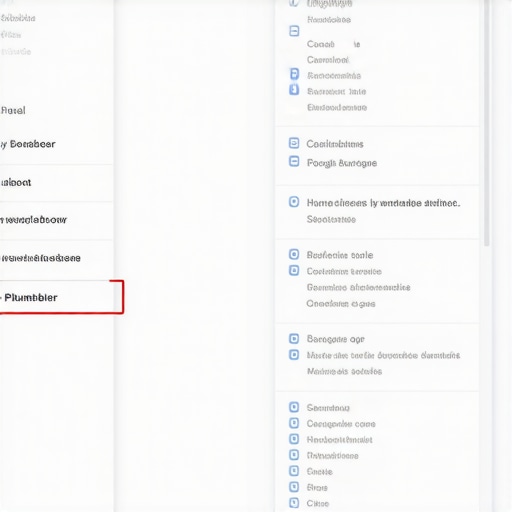
Clean Up the Digital Mess You Left Behind
I’ve seen dozens of cases where a category choice from three years ago is still floating around on an obscure directory or a forgotten social profile. This legacy data is exactly why your digital footprint data is messing up your 3-pack placement today. Google cross-references your current choice with this historical data. If there’s a mismatch, your ‘trust’ score takes a hit. It is like a professional background check; if your resume says you’re a specialist but your old records say you’re a general laborer, the employer gets suspicious. Consistency across every mention of your business is the only way to truly improve local pack visibility reliably.
Why Schema Is the Final Piece of the Puzzle
Don’t just set the category in the dashboard and walk away. You need to hard-code that relevance into your site’s DNA. Implementing specific Local Business Schema tells Google’s crawlers exactly who you are in a language they speak fluently. This isn’t just about moving up a few spots; the impact of local schema on your 3-pack conversion rate is massive because it helps Google confidently show your profile for highly specific search intents. When the schema on your site confirms the category on your map, the algorithm’s confidence in your business sky-rockets.
Let’s dig deeper into the mechanics of why your profile might still be stuck on the second page despite having dozens of five-star reviews. There is a common belief in the local SEO world that more is always better—more reviews, more keywords, and a wider service area. But in my experience, this ‘maximalist’ approach is exactly why your local authority strategy feels stagnant today. You are likely fighting against the algorithm’s preference for hyper-relevance and proximity.
Why stuffing your business description is a total waste of time
One of the biggest myths I see is the idea that you can rank for extra keywords by cramming them into your business description. I used to spend hours crafting these ‘SEO-friendly’ bios until I looked at the data. Joy Hawkins from Sterling Sky, a leading authority in the field, has proven through extensive testing that keywords in your description have zero impact on your ranking. It sounds contrarian, doesn’t it? Everyone tells you to optimize your text, but why your business description doesn’t actually impact your rank comes down to how Google prioritizes structured data over free-form text. If you are paying for why cheap local seo services usually end in a ranking disaster, this is usually the first place they waste your money.
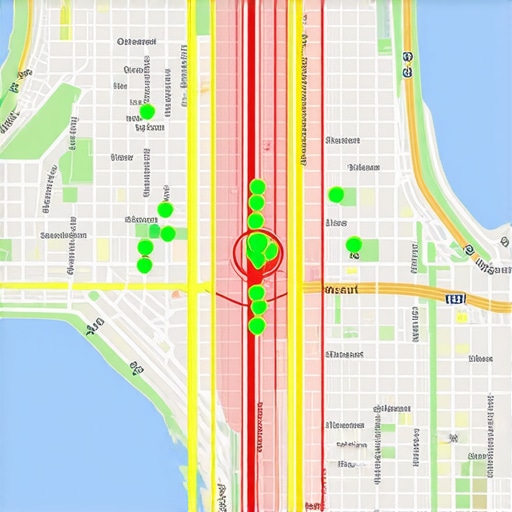
The real ‘Oops’ factor often lies in your service area settings. I’ve seen business owners select a 100-mile radius, thinking they are being ambitious. In reality, they are telling Google they aren’t a specialist in any single neighborhood. This is precisely why your service area radius should be smaller, not larger. When you cast too wide a net, you dilute your ‘proximity signal.’ Google would rather show a business located 2 miles from the searcher than a ‘service area’ business claiming to cover the whole state. If you feel like your reach is shrinking, why your service area settings are actually hiding your 3-pack rank might be the hard truth you need to face.
Why does Google ignore the service area you carefully mapped out?
It’s frustrating when you tell the dashboard you serve a specific town, but your map pin refuses to show up there. This happens because Google values real-world data—like where your truck is parked and where your customers are actually calling from—over what you type into a box. This is why google ignores your service area settings when they don’t align with your physical footprint. If you’ve ever fallen into this trap of thinking a wider service area would get you more leads, let me know in the comments. I’ve seen this mistake derail even the most expensive campaigns.
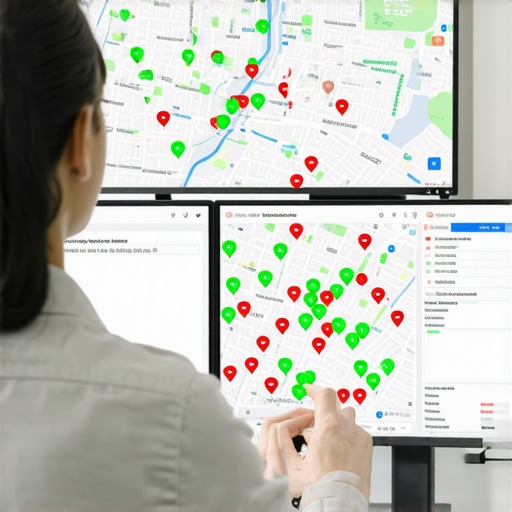
Furthermore, stop trusting every ranking report you see. Most tools use static IP addresses that don’t reflect the ‘on-the-street’ experience of a mobile user. This is why your ranking reports show positions that don’t actually exist in the real world. To truly improve local pack performance, you need to look at ‘grid tracking’ which shows how your visibility fluctuates block by block. If you aren’t doing this, you are flying blind. This level of technical auditing is the hard truth about hiring a gmb seo expert for your local ranking; most just don’t go deep enough into the data gaps that actually move the needle.
I don’t just guess with my clients’ money. I use grid-tracking tools like Local Falcon or BrightLocal because they are the only way to see if a category change actually moved the needle across the entire city or just five hundred feet from the storefront. When I’m in the thick of a google maps boost campaign, I need to see the ‘heat map’ of where we are winning and where we are invisible. If you are relying on a single ranking number from a static report, you are basically flying a plane with a broken altimeter.
The Tools That Actually Earn Their Subscription Fees
I personally stick to tools that allow me to see the ‘hidden’ data. For instance, I use the GMB Everywhere browser extension to peek at my competitors’ secondary categories. It is like having X-ray vision for the local pack. This is how you find those why your competitors are outranking you for niche services secrets. If they are ranking for ‘Emergency Plumber’ while you are stuck on ‘Plumbing Contractor,’ you’ll see exactly which labels they’ve toggled on behind the scenes. This isn’t just about spying; it’s about leveling the playing field. Once you have that data, you can implement 7 real-world data tweaks that improve local pack rank faster than any generic ‘post more photos’ advice ever could.
How do I maintain my 3-pack rank over the long haul?
Maintenance isn’t about doing a big overhaul once a year; it’s about the micro-habits. I’ve developed an our 15-minute audit routine for finding hidden map visibility gaps that I run every Monday morning. I check for ‘suggested edits’ from the public—which are often competitors trying to change my phone number or mark the business as closed. I also look at the response velocity secret how fast replies actually improve local pack visibility 3 to ensure we aren’t letting leads go cold. Google actually tracks how quickly you interact with customers, and a slow response time can quietly tank your authority. According to Google’s own 2019 ‘Neural Matching’ update documentation, the algorithm is increasingly focusing on ‘conceptual’ relevance and user satisfaction signals over raw keyword counts.
Stop Your Ranking from Sliding Backwards
The most common reason for a ranking drop isn’t a penalty; it’s decay. Your competitors are constantly uploading new content, and if you aren’t, you look like a ‘dead’ business to the algorithm. I always tell my clients to focus on 5 simple photo tweaks that actually improve local pack visibility 3. This doesn’t mean hiring a professional photographer every week. It means taking a raw, unfiltered photo of a finished job and ensuring why your images need specific file names before you upload them. A photo named ‘water-heater-repair-dallas.jpg’ tells a much stronger story to a search bot than ‘IMG_4582.png’.
Looking ahead, I predict that ‘Visual AI’ will become the dominant factor in local search. Google is already using ‘Cloud Vision’ to identify what is actually in your photos. If you say you’re a bakery but only post photos of your office, there’s a disconnect. Start using the specific way to geotag store photos for maximum impact now to get ahead of this curve. If you want to see a real jump in your numbers this week, try this: Go into your profile right now and reply to three old reviews you missed, then upload two photos of your actual team at work. Watch what happens to your ‘Insights’ tab in 48 hours.
[image-placeholder]
Lessons from the Local Pack Trenches That Changed Everything
For years, I thought I could outsmart the algorithm by being everywhere at once. I was wrong. The biggest shift in my strategy happened when I stopped treating my profile like a billboard and started treating it like a pure data source for a machine. One huge realization was the problem with having your address hidden on maps; transparency beats anonymity every single time when you are fighting for a spot in the local pack. I also learned to stop obsessing over my own search results while sitting in my office chair. You have to learn how to monitor your map rank without triggering bias if you want to see what your customers are actually experiencing on their mobile devices.
- Relevance is a zero-sum game. When you try to rank for everything, you end up ranking for nothing because Google cannot categorize you as an expert.
- Proximity is the ultimate ranking factor you can’t fake. Instead of fighting it, optimize for the neighborhood you are physically in before trying to conquer the next town over.
- Customer interaction is a live signal. A profile with 100 reviews but zero recent replies looks like a ghost town to the algorithm.
My Go-To Arsenal for Dominating the 3-Pack
I don’t leave my local pack optimization to chance anymore. I rely on a tight rotation of tools and routines that have proven their value across hundreds of campaigns. First, I live by the 10-minute daily checklist to track and fix your google maps ranking to ensure no competitor is successfully suggesting malicious edits to my listings. Second, I use grid-tracking software to visualize my reach—if the data looks off, I immediately look into how to fix the data gaps in your google maps analytics to find exactly where the signals are breaking down. I trust these methods because they rely on hard data rather than the ‘SEO magic’ many agencies try to sell you.
Your Move Toward the Top Spot
The road to a permanent google maps boost isn’t built on secret hacks or black-hat shortcuts, but on relentless precision and consistency. You’ve seen the data, you’ve identified the common category traps, and you now have the tools to improve local pack visibility starting today. Don’t let your profile sit stagnant for another week while your competitors soak up the phone calls and leads that should be yours. Take one small action right now—whether it is a photo upload with a proper filename or a quick audit of your primary category—and start claiming the local authority your business deserves. Have you ever seen your ranking tank after adding a secondary category? Drop your experience in the comments below!